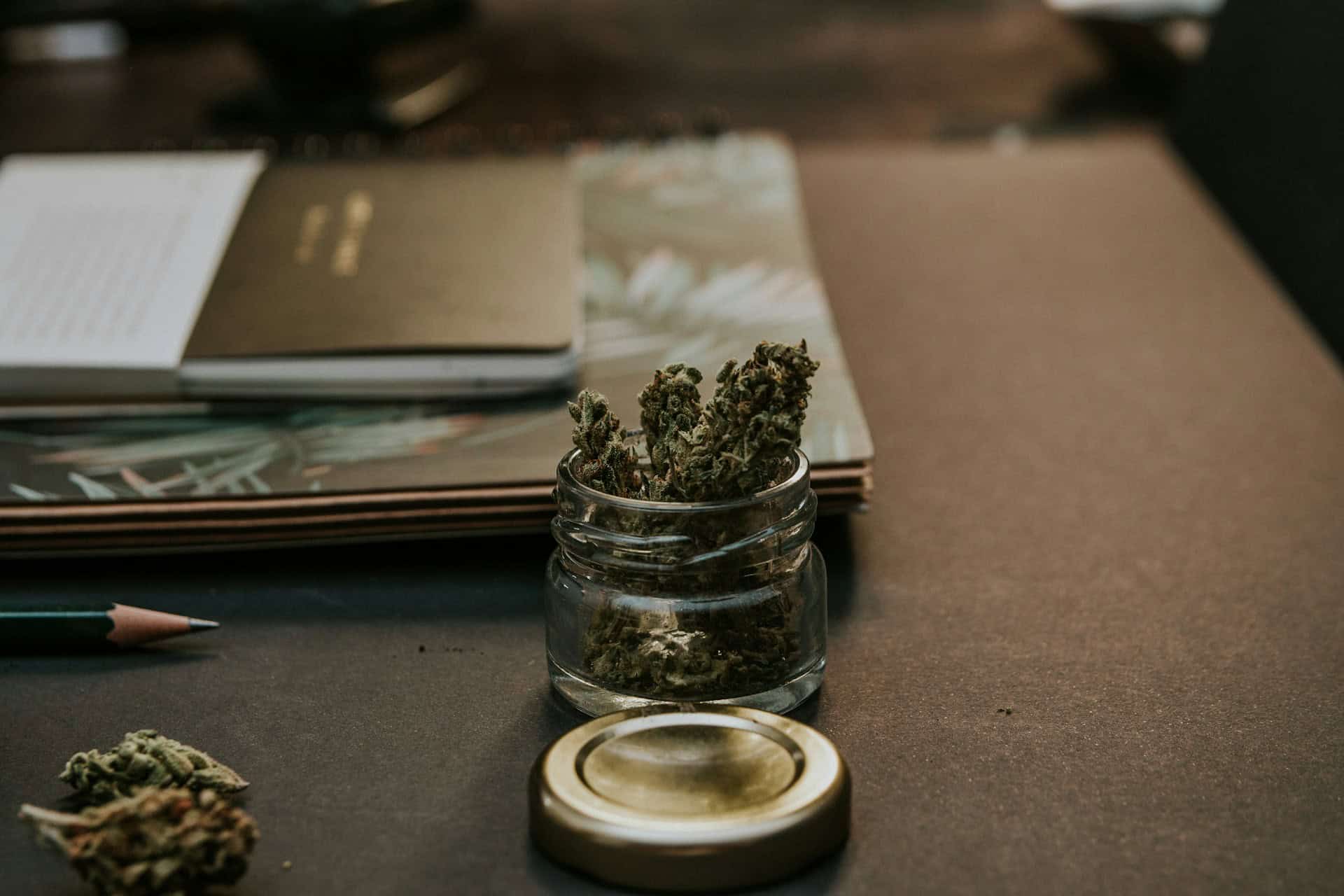

A pound of weed costs roughly $600 to $1,100 at wholesale in 2026, depending on the grade and the state. Colorado’s Department of Revenue puts the median price of retail-grade bud at $601 per pound this quarter. Michigan’s Treasury lists flower at $630.81. Buy that same pound one ounce at a time in a dispensary and the total lands somewhere between about $950 and $2,600 at average prices, and higher for premium flower, which is why this question gets so many different answers.
Nobody walks into a licensed shop and asks for a pound. Stores sell grams, eighths and ounces, and the pound is a bulk unit that changes hands between licensed businesses. Still, it’s the number people use to judge whether weed is cheap or expensive right now, so here is what it means in grams and joints, what it costs at each stage of the chain, and why you can’t just buy one. Prices are current as of November 2026.
A pound is 16 ounces, or 453.6 grams. Everything smaller in the cannabis world is a slice of that.
| Unit | Grams | Share of a pound |
|---|---|---|
| 1 pound | 453.6 g | 100% |
| Half pound (8 oz) | 226.8 g | 50% |
| Quarter pound (4 oz) | 113.4 g | 25% |
| 1 ounce | 28.35 g | 6.25% |
| Half ounce | 14 g | 3.1% |
| Quarter ounce | 7 g | 1.5% |
| Eighth | 3.5 g | 0.77% |
One quirk trips people up. The trade rounds an ounce down to 28 grams, so a “pound” in a sales sheet is often 448 grams, about 5.6 g short of the real thing. On a $1,000 pound that gap is small. On a bulk order of fifty pounds it adds up to a few hundred grams, so check which convention your seller uses. Our weed measurements guide covers the smaller sizes if you need the full chart.
For a sense of scale: a standard pre-roll holds 0.5 to 1 gram, so a pound fills somewhere between 450 and 900 of them.
Longer than most people expect. At 453.6 grams, a pound covers these daily habits:
| Daily use | Days a pound lasts | Roughly |
|---|---|---|
| 0.5 g a day | 907 days | 30 months |
| 1 g a day | 454 days | 15 months |
| 3 g a day | 151 days | 5 months |
Three grams a day is heavy use, and even that takes five months to get through. This is also why freshness matters more than price at this scale: flower loses aroma long before a pound runs out, which is why buying what you’ll finish in a month or two is usually the smarter move.
This is where most articles on the topic go wrong. They mix the price a grower charges a store with the price you pay at the counter, then average the two. The gap between them is large. The table below lines up the official and published figures, all converted to a pound so you can compare them.
| Source | Published figure | Per pound | Per gram |
|---|---|---|---|
| Colorado Dept. of Revenue, Oct–Dec 2026 (wholesale, median) | $601 per lb | $601 | about $1.32 |
| Michigan Treasury, Oct–Dec 2026 (wholesale benchmark) | $630.81 per lb | $631 | about $1.39 |
| Michigan retail, Feb 2026 (average adult-use ounce) | $59.85 per oz | about $958 | about $2.11 |
| Oregon retail, Dec 2025 (median price per gram) | $3.33 per g | about $1,510 | $3.33 |
| US average packaged eighth, Sept 2026 | $20.23 per 3.5 g | about $2,620 | about $5.78 |
Sources: Colorado Department of Revenue, Michigan Treasury, Michigan Cannabis Regulatory Agency data via Cannabis Business Times, Oregon Liquor and Cannabis Commission data via OPB, Headset.
Look at the gap between the rows. Even the cheapest retail pound in the table, Michigan’s, runs about 50% above the wholesale figures, and a pound bought as eighths costs more than four times Colorado’s wholesale price. Some of that is packaging and labor, some is shelf space. It’s also why an ounce almost always works out cheaper per gram than a pile of eighths.
The Michigan wholesale number also deserves a footnote. Treasury doesn’t survey actual deals. It takes the average retail price and divides it by 1.5, assuming retail is 50% above wholesale. That makes it a reasonable tax benchmark and a rough estimate of the real market, nothing more. Colorado’s figure is sturdier: it’s the median of recorded sales between unaffiliated growers and stores.
You’ll also see national spot prices quoted in the low $1,000s per pound this year. Cannabis Benchmarks runs the index buyers usually point to. It reads higher than Colorado or Michigan because it tends to skew toward premium lots, while the state figures are medians.
Colorado’s median wholesale price for retail bud was $1,316 per pound in the fall of 2021. It has fallen almost every quarter since and is now at record lows, down more than half. Oregon tells the same story from the other side: after record harvests, the state’s median retail price has stayed under $4 a gram for two years because growers produce more than shoppers buy. Nationally, Headset’s data shows packaged flower down 3.8% per gram in the year to September 2026, with discounts covering a bigger share of sales than a year earlier.
Colorado’s tax office publishes separate prices for different kinds of plant material, and the spread shows how much the label matters.
| Category (Colorado, Oct–Dec 2026) | Median price per pound |
|---|---|
| Retail bud (sold as flower) | $601 |
| Bud allocated for extraction | $425 |
| Retail trim | $204 |
| Trim allocated for extraction | $100 |
| Wet whole plant | $100 |
A pound of trim and a pound of top-shelf buds are both “a pound of weed,” and one costs a third of the other. If you see an unusually cheap pound, check what’s in the bag before getting excited.
Within the bud category, price follows a handful of things:
Not at a dispensary. Adult-use states cap what one customer can buy or carry, usually somewhere between one and two and a half ounces. In Michigan, for instance, a retailer can’t sell an adult more than 2.5 ounces in one transaction, which is roughly 16% of a pound. Buying a full pound would take about six and a half separate trips at the limit.
The pound exists on the business side: licensed growers selling to licensed stores and manufacturers, tracked from seed to sale. Federal law keeps it that way. Cannabis is still illegal to move across state lines, even between two states where it’s legal, and nothing that happened in 2026 changed that.
Two federal actions are easy to confuse. On April 23, 2026, the Department of Justice moved marijuana covered by a state medical license, plus FDA-approved cannabis products, to Schedule III. Adult-use cannabis was not included. A separate DEA proceeding on moving all marijuana to Schedule III held hearings from June 29 to July 15. The judge then paused the case in late September to consider a new GAO report, so a recommendation is still pending.
Even if all marijuana lands in Schedule III, law firms tracking the process agree that rescheduling alone doesn’t authorize shipping product across state lines. The practical rule hasn’t changed: buy legally, in your own state, within the limit.
You’ll never pay the wholesale price, but it’s a handy yardstick. Check any shelf price against the table by working out what you’re paying per gram.
Don’t read those numbers as a verdict, though. State averages lump everything together, from budget mids to boutique top-shelf, and craft flower usually lands above them. So match the strain type, the THC and the package size before you decide something is pricey. Check the test results and the packaging date too. A fresh eighth that was stored properly is worth more than a cheaper one that spent a month in an open jar. Our guide to storing weed covers how to keep it that way at home.
The price tag isn’t the whole story either. At Highvendor the flower comes from California suppliers, the price you see on the product page is the final one with taxes included, and shipping is free. We also run promotions fairly often, with 10-15% off on products, so it’s worth a quick look at the current offers before you order.
Ready to compare? The weed collection lists every strain by weight, with the final price, taxes included, shown up front.
For an ounce, a glass jar in a cool, dark cupboard does the job. A bigger stash needs a bit more attention: heat and humidity strip the aroma first, and mold shows up later if you ignore it. Airtight glass, away from sunlight and warmth, is the safe default. Keep it out of reach of kids and pets as well, because accidental ingestion happens with flower as much as with edibles. For more on risks and safe use, the CDC’s cannabis health page and the National Institute on Drug Abuse’s cannabis overview are worth a read.
At wholesale, about $600 to $1,100 depending on state and grade. Colorado’s official median is $601 and Michigan’s benchmark is $630.81 for October to December 2026. At average retail prices, a pound’s worth of flower costs roughly $950 to $2,600, and premium flower costs more.
453.6 grams. Many sales sheets use 448 grams (16 ounces of 28 g), so the difference is about 5.6 g.
Sixteen. A “zip” is slang for an ounce, so a pound is 16 zips.
Not as a regular customer. Purchase limits in adult-use states are one to two and a half ounces per visit, and a pound is a business-to-business quantity. Moving cannabis across state lines is also still a federal offense.
Roughly 450 to 900, depending on whether each joint holds one gram or half a gram.
Supply outran demand in the biggest legal markets. Oregon has had record harvests, Michigan has more licensed growers than it needs, and Colorado’s wholesale median is down more than half from its 2021 peak.
Not automatically. Trim, extraction-grade bud and wet plant material can cost a fraction of finished flower. Compare the grade, test results and packaging date before comparing price.
Last updated November 2026. Prices change quarterly and vary by state. This article is general information, not legal advice, and is intended for adults 21 and over in states where cannabis is legal.

⠀ General Characteristic Certain strains of cannabis excel in their own distinctive capacities, and Frost Nova is such an example. […]

⠀ General Characteristics So, we introduce another review of a cannabis strain, Cochino. This strain raises interest for a review […]

⠀ General Characteristic #1 Stunna, bred by Relentless Genetics, is an indica-leaning standout that’s earned a loyal following for its […]

By entering, you confirm that you are at least 21 years old.
By entering this site, you confirm that you are at least 21 years old, that cannabis is legal in your jurisdiction, and that you accept our Privacy Policy and Terms of Service.