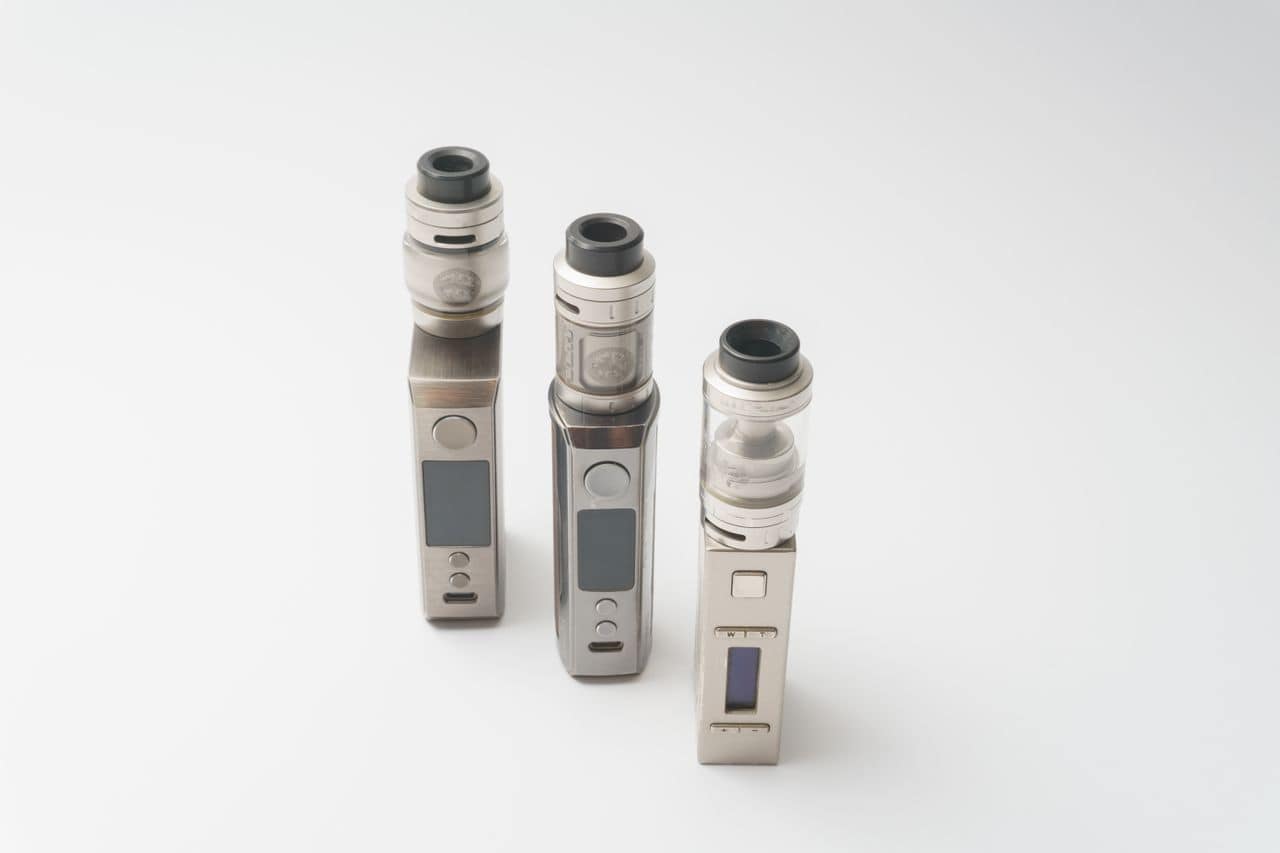

A cart is usually the better pick if you’ll vape regularly: you choose your own oil, you can adjust the heat on the battery, and only the empty cartridge goes in the waste. A disposable wins when you want zero setup for a trip or a one-off try. Either way, what’s in the oil and what the hardware is made of matter more than the format.
Most comparisons stop at “carts are reusable, disposables are convenient” and then push a product. That’s true, and it’s about a quarter of what you need to know. The rest is how much choice and control each format gives you, why “hits harder” is a hardware question and not a potency one, and a few safety points that rarely make it into the buying guides.
Below you’ll find the real differences, where each format wins on choice, control and waste, the evidence on what’s worth worrying about, and a checklist to run before you buy either one.
A cartridge, or cart, is a small tank of oil with a heating coil and a standard 510 thread on the bottom. By itself it does nothing. It screws onto a separate rechargeable battery, and when the oil runs out you swap in a new cart and keep the battery.
A disposable puts the oil, coil and battery in one sealed body. You open it and use it, and when it’s empty or the battery dies, the whole thing goes in the bin, at least in theory. Some have a USB-C port for charging. Many don’t.
| Cart + battery | Disposable | |
|---|---|---|
| What you buy | Cart, plus a battery once | One sealed device |
| Setup | Needs a compatible battery | Ready out of the box |
| Choice of oil | Wide: any cart with a 510 thread fits | Whatever the brand makes |
| Control over the hit | Adjustable if the battery has voltage settings | Fixed |
| Upkeep | Keep the thread clean, charge the battery | None |
| Waste | Empty cart only | Whole device, battery included |
Often they feel that way, but the oil isn’t why. Potency comes from the extract inside, and the same oil in a cart and a disposable carries the same THC. What changes is the hardware: how hot the coil runs, how open the airflow is, and how much vapor each pull produces. A device that runs hot and pulls wide will deliver a bigger, harsher hit from identical oil.
That extra heat isn’t free. A 2025 scoping review pulled together nine lab studies on heavy metals in cannabis vapes, and in them hotter settings and longer heating meant more metal released from the device. Flavor is another reason to go gentle: terpenes are delicate and fade quickly when things run hot. Our terpene guide has the details.
Choice. With a cart, the battery is the constant and everything else is up to you. Fancy a different brand next time, or another strain? Screw on a new cart and you’re done, because any 510 cart fits any 510 battery. A disposable is a package deal: you get that one flavor until the device is empty. Plenty of people don’t mind, especially if they’ve already landed on a favorite.
Control. Many cart batteries have adjustable voltage, and that’s the one setting that changes how the same oil feels. Start at the bottom, see how it goes, and creep upward only if you need to. A disposable runs at whatever the maker chose. For someone brand new, a fixed setting can mean a rough first pull with nothing you can do about it.
Waste. Once a cart is empty, only the cartridge goes in the bin and the battery carries on. When a disposable runs out, the whole device goes, lithium battery included, and the safety section below explains why that battery shouldn’t just go in the bin.
Disposables still win on simplicity. There’s no compatibility to check, no thread to wipe and no battery to remember to charge before a trip. If that sounds like what you need, go for it.
Three things deserve a closer look, and none of them depends on cart versus disposable.
Why do lab results matter so much? Because of what happened in 2019-2020, when a wave of vaping-related lung injuries hit the US. The CDC’s January 2020 report tied the outbreak strongly to vitamin E acetate, an additive, and more than 80% of the hospitalized patients it had data on had used THC products. Its advice was to steer clear of THC vapes from friends, family or dealers. It’s a good reason to buy from a licensed seller and to read the lab report before you trust a product.
The same review traced nickel, chromium and lead, plus a few others, to the coils, wires, battery contacts and mouthpieces. Carts with metal mouthpieces came out worse than ceramic or plastic ones. Older devices released more, too, while terpenes in the oil seemed to help keep metal levels down. Worth remembering that none of these studies looked at health effects, and they didn’t all test the same way, so take it as a nudge to be choosy, not a reason to panic.
So what do you do with that? Pick a ceramic or plastic mouthpiece if you have the choice, don’t dig out a cart that has been rattling around a drawer for a year, and keep the voltage low.
Because of the lithium batteries, the EPA treats e-cigarettes as hazardous waste and says not to put them in household trash or recycling. A damaged lithium battery can start a fire, and that has happened in collection trucks and at recycling facilities. A household hazardous waste collection site is the right place to take a dead disposable, and many are free for residents.
Here the two formats really do differ. With a cart you throw out an empty cartridge and keep one battery for years. With a disposable you’re sending a complete lithium battery to the collection site every time.

| Your situation | Better fit |
|---|---|
| Trying a vape for the first time | A disposable, or a cart with a basic battery if you’re planning to continue |
| Vaping a few times a month or more | A cart and battery |
| Travelling light for a weekend | A disposable |
| Want to try different strains and flavors | A cart, since any 510 cart fits |
| Want control over temperature | A cart with a variable-voltage battery |
| Care about waste | A cart |
Our cartridges collection includes both formats: rechargeable disposables, some with two chambers, and 510-thread cartridges that need a separate battery. Each product page says which one it is, so check the product type before you add it to your cart. The oil comes from California suppliers, the price you see is final with taxes included, and shipping is free. We also run promotions fairly regularly, with 10-15% off on products, so look at the current offers before you order.
Not by themselves. The strength comes from the oil. A cart or a disposable with the same oil has the same potency, though the hardware can make one feel stronger by running hotter or giving bigger pulls.
A disposable is the simplest way to start, since there’s nothing to match or set up. If you plan to keep vaping, a cart with a battery that has voltage settings gives you more control, and you can begin on the lowest setting.
Yes. A cart has no power source and needs a battery with a 510 thread. A disposable has one built in.
It’s not a good idea. Refilling a sealed device risks leaks and damaged coils, and you can’t be sure what ends up inside. If you want something reusable, buy a cart and a battery.
Neither format is safe or unsafe on its own. What matters is where the product comes from, whether it has lab results, and what the hardware is made of. The CDC’s advice during the lung-injury outbreak was to avoid THC vape products from informal sources.
It depends on how much oil it holds and how often you pull. A larger device lasts longer, and short, gentle pulls make it go further. Check the oil volume on the package and divide by how much you use.
Take it to a household hazardous waste collection site. The EPA says not to put e-cigarettes in the trash or recycling because of the lithium battery.
Last updated November 2026. This article is for adults 21 and older in states where cannabis is legal. It is general information, not medical or legal advice. Highvendor delivers only in states where it is legal.
⠀ General Characteristic We are now going to examine the cannabis strain, Blood Moon. It has several different versions, which […]

Let’s kill the confusion right now: THC and CBD are not rivals. They’re not “the bad one and the good […]

⠀ General Characteristic Ex Wife is a well-liked hybrid strain that is characterized by the unique name, high effects, and […]

By entering, you confirm that you are at least 21 years old.
By entering this site, you confirm that you are at least 21 years old, that cannabis is legal in your jurisdiction, and that you accept our Privacy Policy and Terms of Service.