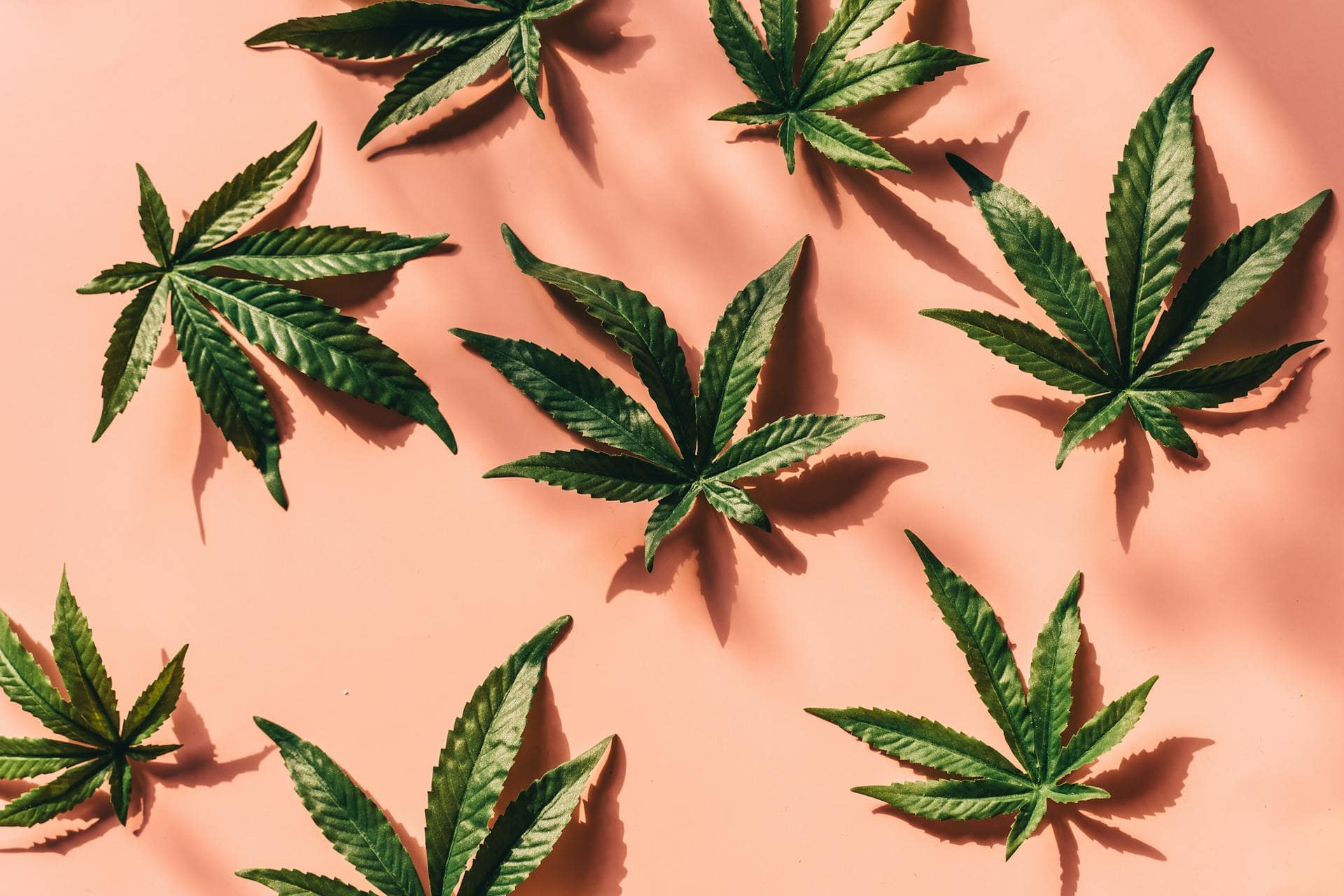

Walk into any dispensary — or land on any cannabis site — and the first thing you’ll see is the same three-way split: indica, sativa, hybrid. It’s the foundation of how most people shop. And honestly, it’s a useful starting point. But if you’ve ever grabbed a “sativa” expecting a creative buzz and ended up glued to the couch, or tried an “indica” that had you wired at 1am, you already know the labels don’t tell the full story.
This guide breaks down what these categories actually mean, where they hold up, where they fall short, and how to use them — alongside terpenes and cannabinoids — to make smarter choices. Whether you’ve never bought cannabis before or you’ve just been going by vibes until now, this should clear things up.
The terms indica and sativa started as botanical classifications — a way to describe the physical characteristics of different cannabis plants, not their effects. Cannabis indica was identified in Central Asia, particularly the Hindu Kush mountain range. Cannabis sativa came from more equatorial regions: Colombia, Thailand, Jamaica, parts of Africa. Different climates, different growing seasons, different plant structures.
For growers, this distinction mattered a lot. Indica plants finish faster, stay compact, and fit better in indoor grows. Sativa plants stretch tall, flower slowly, and need more space. The genetics told you what to expect from the grow — not necessarily from the smoke.
Somewhere along the way, the labels shifted from describing plants to describing experiences. Indica became shorthand for “relaxing,” sativa for “energizing,” and hybrid for “somewhere in between.” That’s not completely wrong. But it’s not completely right either, and we’ll get to why.
As for hybrids — they’re not a recent invention. Cannabis has been crossbred for decades. The result is that today, the overwhelming majority of strains on the market are technically hybrids. What’s sold as “indica” or “sativa” is almost always indica-dominant or sativa-dominant — leaning one way, but rarely pure.
Indica plants are the stocky ones. Short, bushy, wide dark-green leaves, dense buds, and a shorter flowering cycle — usually 8 to 9 weeks. They originated in regions with harsher, more unpredictable climates, which is why they evolved to finish fast and grow compact. For indoor growers, that’s a big advantage.
In terms of effects, indicas are associated with what most people call a “body high” — a heavy, relaxing sensation that starts in the muscles and spreads outward. Think melting into the couch, slower thoughts, a kind of pleasant heaviness. Strong indica strains can produce what’s colloquially called couch-lock: you’re not going anywhere, and you’re fine with that.
The dominant terpenes in most indicas lean sedating. Myrcene is the big one — earthy, musky, and widely considered responsible for that signature heavy effect. Linalool adds a floral, calming quality. Caryophyllene brings a peppery note and has anti-inflammatory properties that make it particularly relevant for physical discomfort.
Popular indica strains worth knowing: Granddaddy Purple, one of the most recognizable for its deep relaxation and grape-berry aroma. Northern Lights, a classic that’s been winning awards since the 80s. OG Kush, which sits heavier on the indica side despite some debate about its lineage. Blueberry, the DJ Short original that became legendary for its fruity sweetness and smooth body effect. Bubba Kush for when you genuinely need to switch off.
Some users report that indica-dominant strains may help with chronic pain, muscle tension, insomnia, and general anxiety — particularly in the evening hours when sedation is welcome rather than inconvenient. Individual responses vary significantly, but it’s consistent enough to be worth mentioning.
Best time to use: evening and nighttime. Indicas aren’t built for productivity.
Ready to explore? Browse our full indica strain catalog and find the right one for your night.
Sativa plants are the tall ones. We’re talking plants that can hit ten feet outdoors, with narrow leaves, long spindly buds, and a flowering cycle that stretches 10 to 12 weeks or longer. They evolved in equatorial climates with long, consistent growing seasons — which gave them time to stretch and develop that distinctive structure.
The effects associated with sativas are the opposite of indicas in most respects. Cerebral, uplifting, energetic. A good sativa can sharpen focus, amplify creativity, make conversation easier, and give everything a slightly more vivid quality. It’s the type most people associate with daytime use — something you can smoke before a hike, a creative session, a social event.
Terpene-wise, sativas tend to run toward limonene (citrusy, mood-lifting, mildly anxiolytic), pinene (sharp and piney — interesting because research suggests it may counteract some of the short-term memory effects of THC), and terpinolene (floral, slightly fruity, found in a lot of upbeat strains). The result is a profile that feels lighter, more head-oriented, less sedating.
Classic sativa strains: Sour Diesel, which has that unmistakable fuel-forward smell and a fast-acting cerebral buzz. Jack Herer, named after the cannabis activist, balanced and clear-headed. Green Crack — aggressive name, but the effect is focused and energetic rather than overwhelming. Durban Poison, a South African landrace that’s one of the few genuinely “pure” sativas still commonly available. Super Lemon Haze for when you want the citrus and the energy together.
Some users find sativa-dominant strains helpful for managing low mood, mental fatigue, and maintaining motivation — particularly in situations where an indica’s sedation would be counterproductive. Worth noting though: for people who are sensitive to anxiety or prone to racing thoughts, high-THC sativas can occasionally tip the other way and amplify rather than reduce stress. Starting low and going slow applies here as much as anywhere.
Best time to use: daytime. Morning, early afternoon, before anything that requires mental engagement.
Looking for an energizing strain? Browse our sativa strain selection and find your daytime go-to.
Here’s the reality of the modern cannabis market: almost everything is a hybrid. Decades of deliberate crossbreeding — chasing yield, potency, flavor, specific effects — have produced a gene pool where truly “pure” landrace indicas or sativas are rare. When you see something labeled indica or sativa at a dispensary, what you’re usually getting is a hybrid that leans heavily in one direction.
That’s not a problem. It’s actually a feature. Hybrids exist because breeders wanted the best of both worlds — and in many cases, that’s exactly what they got. A well-designed hybrid can give you the physical relaxation of an indica without the full sedation, or the mental lift of a sativa without the edge that pure sativas sometimes carry.
The three main categories within hybrids: sativa-dominant hybrids lean uplifting but with some body ease — Blue Dream is the textbook example, 60/40 sativa, one of the most popular strains in North America for good reason. Indica-dominant hybrids lean relaxing but with more mental clarity than a pure indica — Wedding Cake sits here, rich and heavy but not incapacitating. Balanced hybrids aim for the middle ground — Girl Scout Cookies (GSC) and Gelato are in this territory, along with Runtz, which has become one of the defining strains of the last few years.
The “hybrid” label on a menu tells you relatively little on its own. The useful information is whether it’s sativa-dominant, indica-dominant, or balanced — and ideally, the terpene profile. More on that below.
Not sure which direction to go? Check out our hybrid strains collection — sativa-dominant, indica-dominant, and everything in between.
Here’s the short version for when you want the overview without the deep dive:
| Indica | Sativa | Hybrid | |
|---|---|---|---|
| Effects | Relaxing, body high, sedating | Energizing, cerebral, uplifting | Varies by dominance |
| Best Time | Evening / night | Daytime | Depends on type |
| Plant Height | Short, bushy | Tall, thin | Varies |
| Key Terpenes | Myrcene, Linalool, Caryophyllene | Limonene, Pinene, Terpinolene | Strain-dependent |
| Common Uses | Sleep, pain, anxiety relief | Focus, mood, creativity | Wide range |
| Examples | Northern Lights, GDP, OG Kush | Sour Diesel, Jack Herer, Durban Poison | Blue Dream, GSC, Gelato |
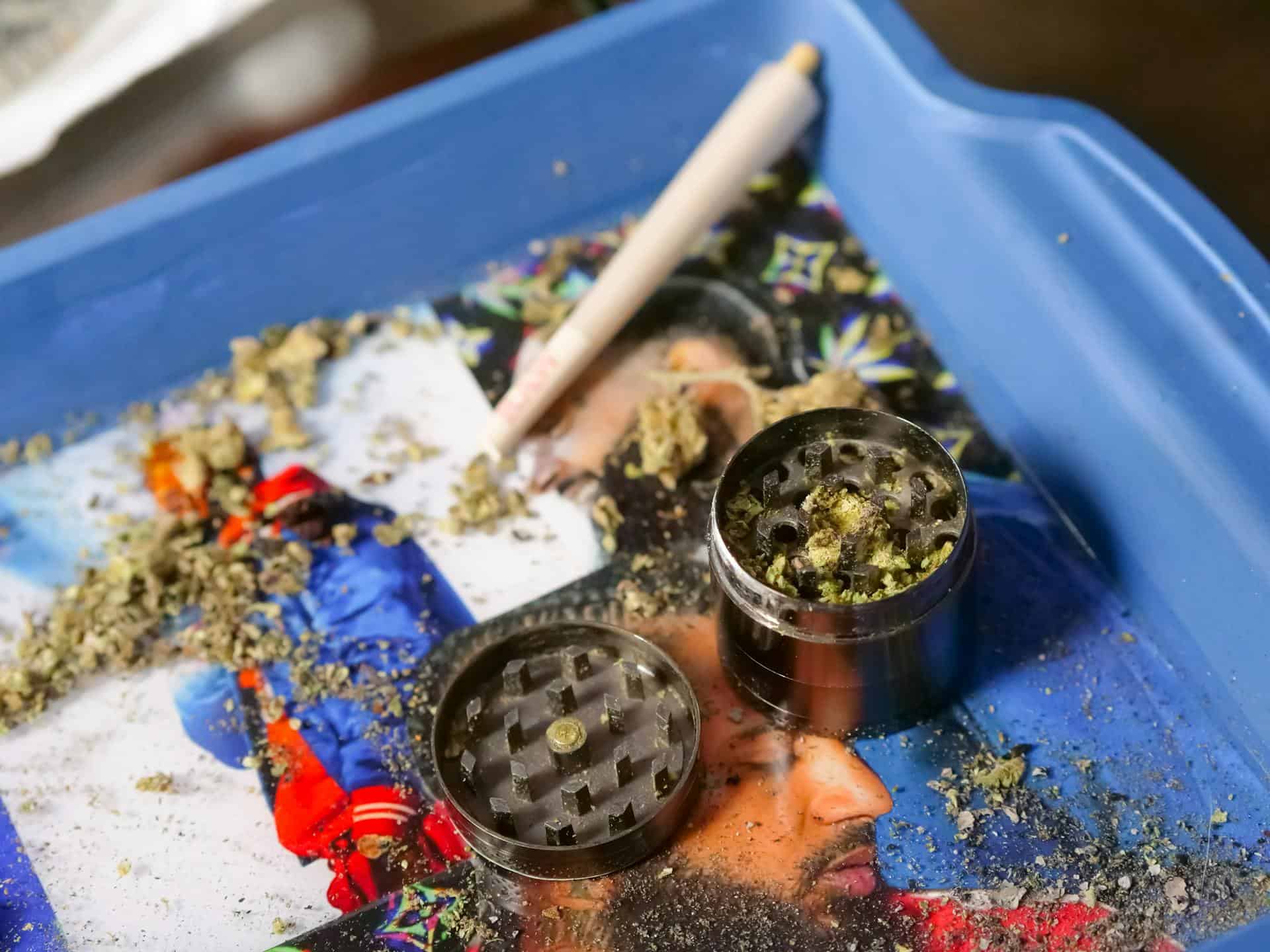
The indica/sativa/hybrid framework is useful as a rough guide. But if you’ve ever had a sativa that put you to sleep or an indica that made you feel clear-headed and chatty, you’ve experienced the main limitation of the system: the label doesn’t fully predict the effect.
What does? Two things, mostly: the cannabinoid profile and the terpenes.
Cannabinoids are the primary active compounds. THC is responsible for most of the psychoactive experience — the high, the euphoria, sometimes the anxiety. CBD doesn’t produce a high but modulates the THC experience, often taking the edge off. Minor cannabinoids like CBN (sedating, found in aged cannabis), CBG (clear-headed, less common), and CBC are increasingly being studied and show up in full-spectrum products.
Terpenes are the aromatic compounds that give each strain its smell and flavor — but they also interact with cannabinoids to shape the experience. This interaction is called the entourage effect: the idea that THC alone produces a different effect than THC combined with a specific terpene profile. A few worth knowing:
Myrcene — the most common terpene in cannabis. Earthy, musky. Associated with sedation and “couch-lock.” High myrcene content in a sativa can make it feel surprisingly indica-like.
Limonene — citrusy, uplifting, associated with improved mood and reduced anxiety. Common in sativa-leaning strains and some hybrids.
Pinene — piney and sharp. Thought to promote alertness and counteract some short-term memory effects from THC. Common in energetic, clear-headed strains.
Caryophyllene — peppery, spicy. Unique because it also acts on CB2 receptors (the same system targeted by CBD), making it relevant for anti-inflammatory effects and potentially useful for pain.
Linalool — floral, lavender-like. Calming and sedating. Common in indica-dominant strains and anything marketed for relaxation or sleep.
The practical takeaway: when you can see a terpene breakdown on a product page or dispensary menu, use it. A high-myrcene “sativa” will likely feel more relaxed than a high-limonene “indica.” The terpene profile is a better predictor of your experience than the category label alone.
The honest answer is: it depends on what you’re after and how your body responds. Cannabis is personal — the same strain hits differently depending on the person, the dose, the setting, and what else is going on. That said, there are some useful starting points.
If your main goal is sleep or physical relaxation — unwinding after a long day, dealing with muscle tension, trying to quiet a restless body — indica-dominant strains are the natural starting point. Look for high myrcene and linalool in the terpene profile. Granddaddy Purple, Northern Lights, Bubba Kush.
If you want something for daytime use — creative work, a long walk, social settings, anything that requires mental engagement — a sativa or sativa-dominant hybrid makes more sense. Sour Diesel if you want energy and focus, Blue Dream if you want the lift with a softer edge.
If you’re somewhere in the middle — or if you don’t want to commit fully to either end of the spectrum — a balanced hybrid is often the smartest first move. Girl Scout Cookies, Gelato, Runtz. These tend to be more forgiving and easier to calibrate.
For first-time or occasional users specifically: start with a balanced hybrid and keep the THC moderate. The type matters less than the dose at this stage. High-THC anything — indica, sativa, or hybrid — can be overwhelming if you’re not used to it. There’s no shame in starting low and working up from there. Most experienced users wish someone had told them this earlier.
One more thing worth saying: if you’re considering cannabis for a specific health concern, talk to a doctor first. Some users report real benefits for things like chronic pain, anxiety, and sleep disorders. But self-medicating without guidance carries its own risks, and what works for one person can make things worse for another.
Neither, inherently. Strength comes from THC percentage and your individual tolerance — not from whether something is classified as indica or sativa. Both types can be extremely potent or relatively mild depending on the specific strain and how it was grown. Don’t use the indica/sativa label as a proxy for intensity.
Yes. Terpene profile matters more than the category label. A sativa strain high in myrcene — the same terpene responsible for indica’s sedating qualities — can produce a surprisingly relaxing effect despite the “sativa” label. This is one of the clearest examples of why the label alone isn’t enough information.
There’s no universal answer, but some users find that indica-dominant or balanced hybrid strains with lower THC and some CBD presence tend to be easier on anxiety. High-THC sativas, in particular, can occasionally amplify anxious thoughts in sensitive individuals rather than reduce them. If anxiety is a genuine concern, start with something moderate and well-balanced, and avoid strains marketed primarily for their potency.
Not better or worse — just different. Hybrids exist because they offer more specific combinations of effects. For a lot of people, a well-crafted hybrid is more useful than a pure indica or sativa because it can be more precisely tuned. But “pure” landrace strains have their own character that appeals to experienced users who know exactly what they want.
It means the strain has more indica genetics than sativa genetics — usually expressed as something like 70/30 or 60/40 in favor of indica. In practice, it tends to mean the relaxing, body-oriented qualities of indica are present, but softened. Wedding Cake is a good example: heavy and relaxing, but with enough mental clarity to hold a conversation. It’s not the same as a full indica, and that’s the point.
Disclaimer: The information in this article is for educational purposes only and does not constitute medical advice. Always consult a healthcare professional before using cannabis for medical purposes.

⠀ General Characteristic Clemendo is a sativa-dominant hybrid strain, a unique strain developed by the famous Utopia Farms and cultivated […]
⠀ General Characteristic We are now going to examine the cannabis strain, Blood Moon. It has several different versions, which […]
⠀ General Characteristic Certain strains of cannabis excel in their own distinctive capacities, and Frost Nova is such an example. […]

By entering, you confirm that you are at least 21 years old.
By entering this site, you confirm that you are at least 21 years old, that cannabis is legal in your jurisdiction, and that you accept our Privacy Policy and Terms of Service.