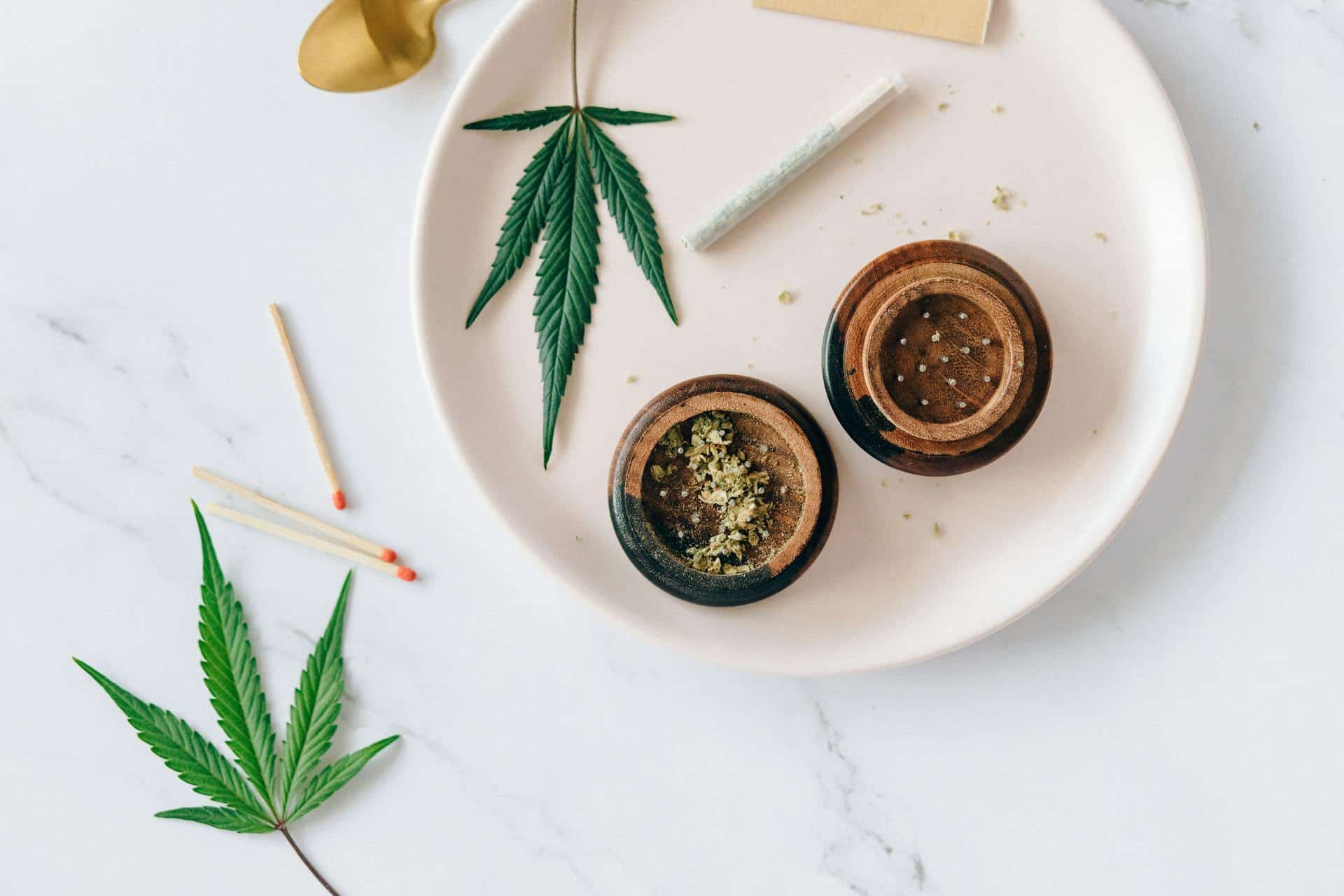

Short answer: If you’re nervous, go with high-CBD or balanced strains — ACDC, Harlequin, Blue Dream, and Northern Lights are good picks. Avoid products with more than 20% THC, and look for a CBD:THC ratio of 1:1 or higher. Start with a small dose.
About one in five adults in the U.S. experience an anxiety disorder in any given year, according to the National Institute of Mental Health. If you’re here because you’re hoping cannabis will take the edge off, you’re in good company.
But not all strains do that. Some really do make anxiety worse. It usually comes down to the amount of THC, how much CBD is in the mix, and the terpenes — not whether the label says “indica” or “sativa.” That label doesn’t tell you much.
So let’s talk about what actually works, why, and how not to screw it up.
Your body has a network of receptors known as the endocannabinoid system, which plays a role in mood, stress, and emotional balance. This is why cannabis can help — or hurt — depending on what and how much you’re consuming.
THC is the tricky one. Researchers call it biphasic, a fancy way of saying: a little bit can calm you down, and too much can send you the other way entirely — racing thoughts, paranoia, the spiral where you can’t remember what normal breathing feels like. If you take away one thing from this article, make it that.
CBD doesn’t work that way. It binds to serotonin receptors instead, with no high involved, which is why CBD-rich strains are the safer choice for beginners or anyone who’s had a bad experience with THC.
Then there are the smell compounds, known as terpenes, and they matter more than most people realize:
| Strain | THC:CBD Ratio | Notes |
|---|---|---|
| ACDC | ~1:20 | Barely psychoactive — just clear-headed calm |
| Harlequin | ~2:5 | Mild euphoria, still functional |
| Cannatonic | Low THC, 6–17% CBD | Calm but doesn’t dull your focus |
| Charlotte’s Web | Hemp-derived, near-zero THC | No high at all, easy to find |
If you’re new to this or THC tends to make you spiral, start here. You still get the relaxing benefits without the risk of a bad headspace — good for daytime or when you’re around other people.
| Strain | Profile | Notes |
|---|---|---|
| Blue Dream | Sativa-leaning hybrid | Relaxed but still functional, works during the day |
| White Widow | Balanced hybrid | Uplifting, not heavy |
| Canna-Tsu | ~1:1 to 2:1 CBD:THC | Lasts a while, good for social settings |
| Gelato | Balanced hybrid | Clear head, relaxed body |
Honestly, hybrids are the most forgiving category. They show up on every list like this one because they round off the sharp edges you sometimes get from pure sativas or indicas. See what’s in stock in Highvendor’s hybrid selection.
| Strain | Profile | Notes |
|---|---|---|
| Northern Lights | Classic indica | Heavy body relaxation, quiets the mental chatter |
| Granddaddy Purple | Indica | Deep calm, not too groggy |
| Bubba Kush | Indica | Strong sedative, good for anxiety-related insomnia |
Save these for the end of the day. The myrcene content tends to be higher, which makes “couch lock” a real possibility — not ideal if you still need to function.
Less than you’d think, honestly. At this point, the indica/sativa split is mostly folklore. What actually determines how a strain hits you is its chemovar — the real chemical makeup of cannabinoids and terpenes, not what the label says.
If anxiety is your main concern, lean toward Type II or III. Don’t pay much attention to the indica/sativa label on the jar.
The strain is only half the equation. How you take it makes all the difference, especially when you’re using it for anxiety.
When you’re anxious, predictable usually beats fast. That’s a big part of why smoking, vaping, or tinctures tend to be the safer bet over edibles — you can adjust as you go instead of taking a chance on a guess.
There’s a bell-curve relationship between cannabis and anxiety. A little helps. Too much undoes it. A few things worth keeping in mind:
Worth stating explicitly: this is general information, not medical advice.
Cannabis is natural, but that doesn’t mean it’s always safe. For some people, it does more harm than good:
None of this is a diagnosis, and it’s not a substitute for a real conversation with a doctor — if any of the above applies to you, that conversation should come before the strain selection.
It depends entirely on where “where you are” is, and it changes often enough that it’s worth double-checking rather than assuming. Broadly, you’ll land in one of three buckets:
Even where cannabis is broadly legal, possession limits, growing your own, and driving rules can still vary. Don’t assume what worked somewhere else will work in your area.
Everything above is a starting map, not a guarantee — what calms one person can upset someone else completely. Track what you try, start lower than you think you need to, and don’t skip the conversation with a doctor if you’re on medication or have a diagnosed anxiety disorder.
This was never about getting as high as possible. It’s about feeling steadier by the end of the day — and for a lot of people, the right strain, at the right dose, gets them there. Ready to try one of these? Explore anxiety-friendly strains on Highvendor shop and filter by CBD content or THC ratio
Can cannabis make anxiety worse?
Yes, easily — high THC, too much of it, or using it when you’re already anxious can all backfire. A CBD-heavy or balanced strain at a low dose is the safer bet.
What’s the best strain for social anxiety?
Harlequin, Blue Dream, and White Widow come up a lot — calming without knocking you out, so you can still be present with people.
Indica or sativa — which one do I pick?
Honestly, neither answer matters as much as the cannabinoid and terpene profile. Check the THC:CBD ratio before you check the label.
Is daily use okay for anxiety?
It can build tolerance and, for some people, dependence. Most doctors see cannabis as one tool among several rather than a daily fix on its own — worth discussing with your doctor if you’re using it regularly.
What’s the difference between CBD and THC for anxiety?
CBD is the lower-risk option because it doesn’t get you high. THC can help too, at low doses, but the risk of it backfiring climbs fast as the dose goes up.
⠀ General Characteristic We are now going to examine the cannabis strain, Blood Moon. It has several different versions, which […]
⠀ General Characteristic Do you want to try a strain that is fruity and sweet? Then you have found the […]
Open a jar of weed and the smell that comes out is terpenes. About 2% of the flower’s weight on […]

By entering, you confirm that you are at least 21 years old.
By entering this site, you confirm that you are at least 21 years old, that cannabis is legal in your jurisdiction, and that you accept our Privacy Policy and Terms of Service.