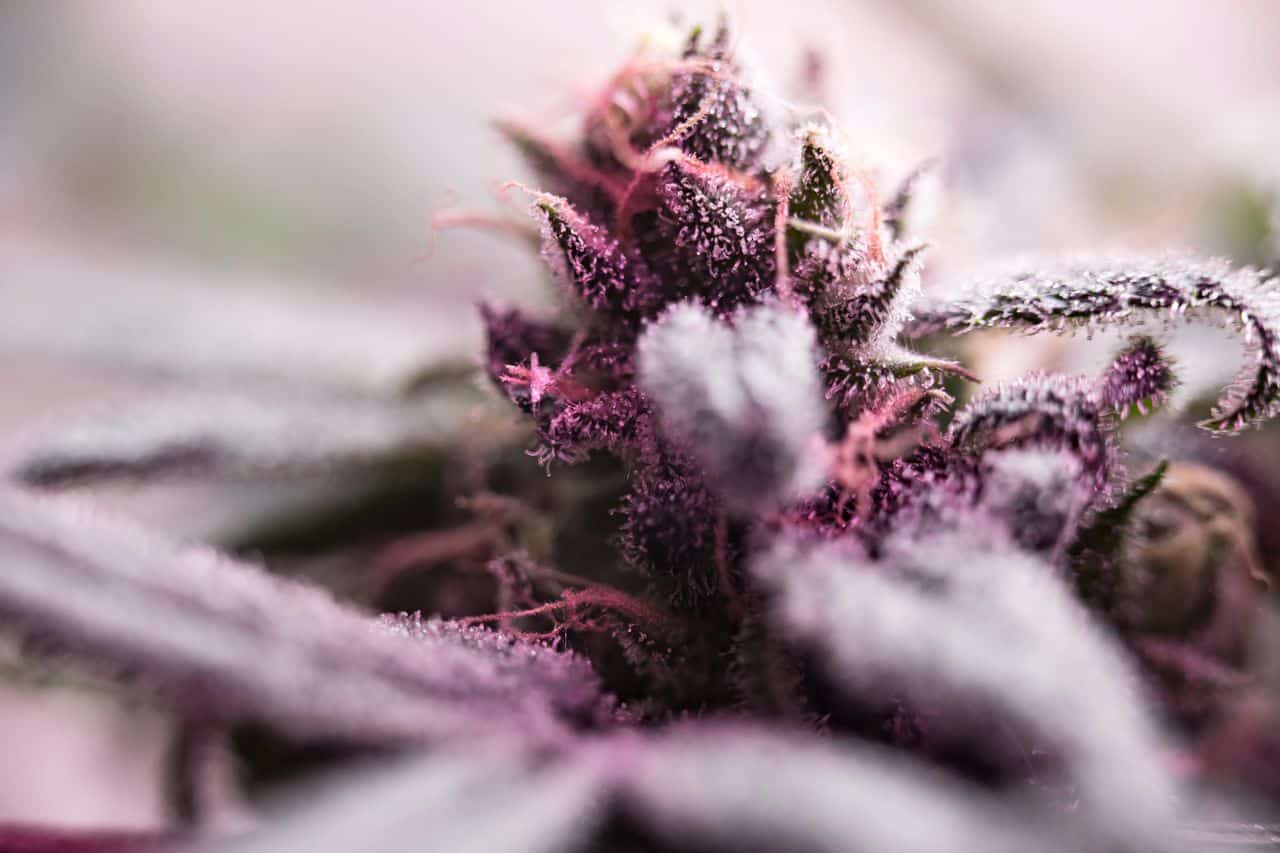

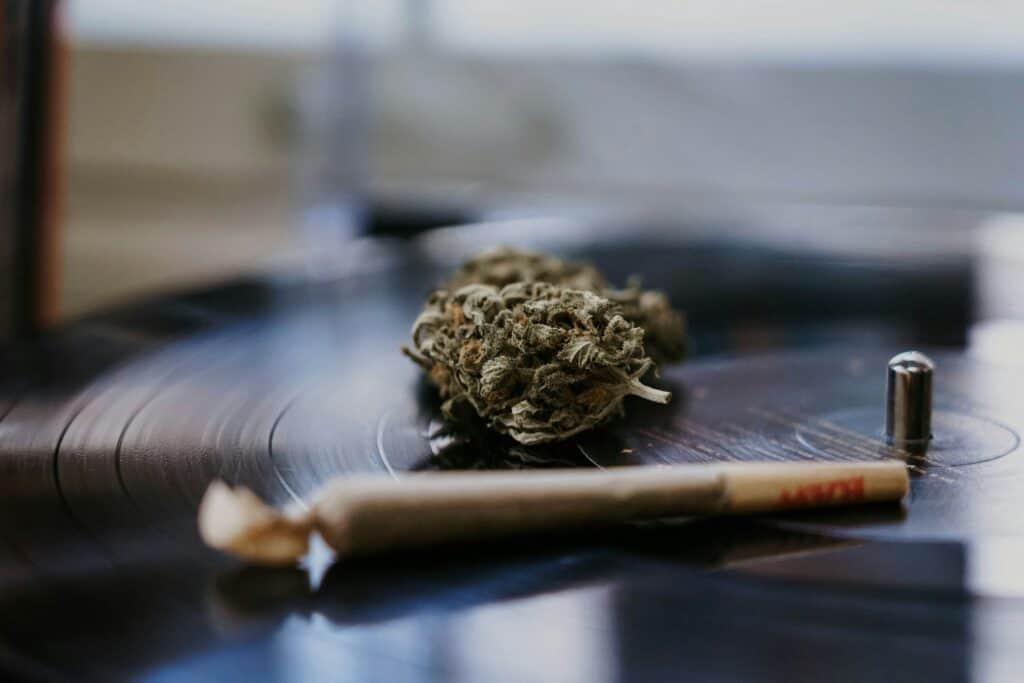
Open a jar of weed and the smell that comes out is terpenes. About 2% of the flower’s weight on average, and it’s the part your nose cares about. THC is made in the same resin glands.
Two strains can both test at 22% THC and smell nothing alike. That gap is mostly terpenes. Does it also change how the weed feels? Maybe. Nobody has shown it in people yet. Below: what’s solid, what’s a guess, and what to do with it at the shelf.
| What they are | Aromatic compounds made in the plant’s resin glands (trichomes) |
| How many | 200+ volatile compounds reported in cannabis; 58 monoterpenes and 38 sesquiterpenes characterized |
| Typical share of the flower | About 2% by weight on average in US lab data; most single terpenes sit below 0.5% |
| Most often reported | Myrcene, caryophyllene, limonene, pinene, linalool, humulene, terpinolene |
| Do they get you high? | No. THC does that |
| Do they change how a strain feels? | Possibly. Not yet shown in human studies |
Cannabis isn’t special here. Lemon rinds, pine needles, lavender and black pepper are loaded with the same molecules: limonene, pinene, linalool, caryophyllene. What cannabis does is mix its own blend and park it in the sticky glands on the flower, next to the THC.
Chemistry, briefly. Monoterpenes (limonene, myrcene) are the light ones and evaporate fast, which is why a fresh jar smells so strong the second you open it. Sesquiterpenes like caryophyllene are heavier and stick around longer. Two small building blocks versus three, if you care.
More than 200 volatile compounds have been reported. A 2020 review in Molecules counts 58 monoterpenes and 38 sesquiterpenes among them as characterized. Any one flower has only a handful in real quantity.
The quantities are small. A 2022 PLOS ONE analysis of almost 90,000 commercial flower samples from six US states put total terpenes at about 2% of the flower’s weight on average. Most individual terpenes came in under 0.5%. A label that says 3% is a rich batch. It’s still 3%.
For the plant, mostly defense. They help keep insects and other pests away.
For you, they do one thing for certain: they set the smell and the taste. Line up two jars and you’re comparing terpenes. Whether they do anything beyond that is the open question. Plenty of people say strains with different profiles feel different, and researchers have floated the idea that terpenes shape the experience alongside THC. It’s called the entourage effect, and we’ll get to it below.
Six show up again and again on lab reports and strain pages. The last column is what’s commonly associated with each. That’s reported experience and early research, not a promise.
| Terpene | Smells like | Also found in | Commonly associated with |
|---|---|---|---|
| Myrcene | Earthy, musky, ripe fruit | Mangoes, hops, thyme | Relaxation, sedation |
| Limonene | Lemon, orange peel | Citrus rinds | Brighter mood |
| Caryophyllene | Pepper, clove, spice | Black pepper, cloves | Calming, anti-inflammatory research interest |
| Linalool | Floral, lavender | Lavender, coriander | Relaxation |
| Pinene | Pine, fresh resin | Pine needles, rosemary | Alertness |
| Humulene | Woody, earthy, hoppy | Hops, sage | Mostly aroma, little effects research |
Terpinolene turns up on a fair number of labels too: piney, floral, a bit herbal.
Our own reviews make a handy comparison. The Skywalker OG review lists myrcene first, then caryophyllene and limonene. The Girl Scout Cookies review puts caryophyllene first, then limonene and humulene. One leans heavily indica, the other sits near the middle, and the aroma notes in each review read very differently.
No. THC does that, by binding to CB1 receptors in the brain. In the tests run so far, terpenes don’t bind there in any way that matters.
What terpenes might do is nudge the experience. Ethan Russo’s 2011 review in the British Journal of Pharmacology laid out the idea that cannabinoids and terpenes may work better together than apart. A good theory. Still a theory.
It’s the proposal that the compounds in whole cannabis, terpenes included, change what THC does. Nobody has settled it.
One possible mechanism has been tested and failed. In a 2020 study in Frontiers in Pharmacology, researchers ran five common terpenes (myrcene, alpha-pinene, beta-pinene, beta-caryophyllene and limonene) against the CB1 and CB2 receptors. None changed how THC signaled. Beta-caryophyllene showed weak activity at CB2, but nothing measurable followed from it.
That closes one door. Terpenes could still act through other routes, and nobody has run the large, controlled human trials that would show it either way. If a product page promises that a certain terpene will give you a certain feeling, treat it as marketing.
For strength, THC. For smell and flavor, terpenes. For how a strain feels, probably both, in proportions nobody has pinned down.
A THC percentage tells you how strong a product is, and that’s about all. It can’t tell you whether the flower smells like citrus or pepper. The terpene line covers that, which is why plenty of regulars read it before the THC number.
Not as a guide to chemistry. The PLOS ONE study found that indica, sativa and hybrid labels line up poorly with what’s actually in the flower. A sample sold as indica was about as likely to match one sold as sativa.
What the researchers found instead were three terpene groupings that keep recurring:
| Grouping | Dominant terpenes | Typical aroma |
|---|---|---|
| I | Caryophyllene and limonene | Peppery, citrus, sweet |
| II | Myrcene and pinene | Earthy, musky, pine |
| III | Terpinolene and myrcene | Fresh, floral, herbal |
If you want a shortcut for choosing, the dominant terpene tells you more than the indica or sativa tag does.
Start with the top three terpenes. Labels usually list them by share, and the first one or two set the character of the strain.
Then the total. There’s no official line for a good percentage. With the average at about 2%, a batch at 3% or higher is rich, and anything under 1% will smell flat.
Then the dates. Terpenes fade faster than THC. A jar that was tested a year ago may not smell like its lab report anymore.
Start with your nose. Smell the jar if the shop lets you, or read the aroma notes, and pick what you like. A smell you like beats a chart of effects.
Next, the dominant terpene. Earthy, musky: myrcene. Lemon, orange: limonene. Pepper: caryophyllene. Pine: pinene. No guarantee about the effect. It does cut a long shelf down to a few jars.
And keep notes. Strain, top terpenes, amount, how the next couple of hours went. Four or five entries in, you’ll have your own pattern. Trust it over this guide.
Terpenes boil off at low temperatures, and a lit joint is far hotter than that. Vaporizers let you control it. Below are boiling points for four of the lighter monoterpenes (sources vary by a few degrees). Caryophyllene and the other sesquiterpenes need more heat.
| Terpene | Boiling point |
|---|---|
| Pinene | about 156 °C (313 °F) |
| Myrcene | about 167 °C (333 °F) |
| Limonene | about 176 °C (349 °F) |
| Linalool | about 198 °C (388 °F) |
THC vaporizes at about 157 °C. Go lower and you keep more aroma but get less of everything else. Go higher and it flips. Either way, expect the setting to change the flavor more than the effect.
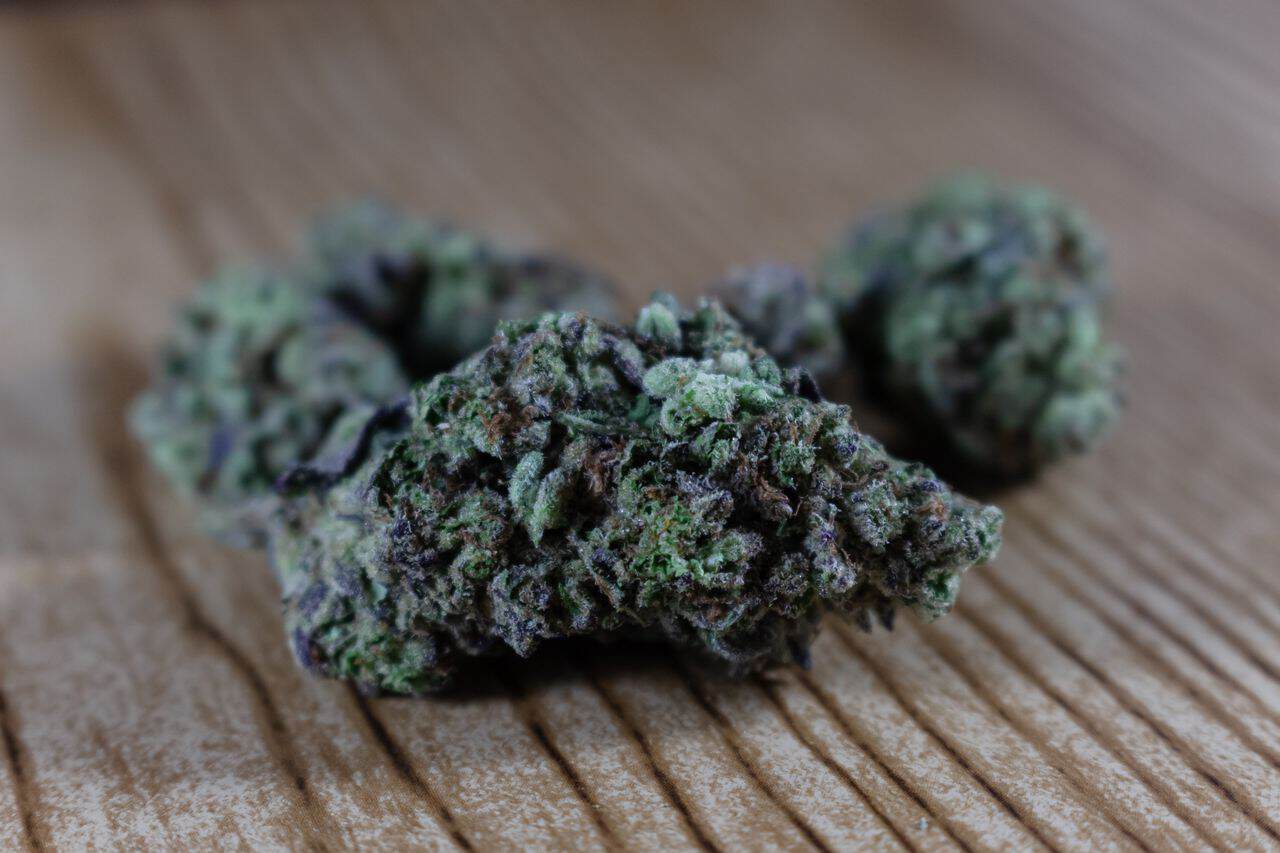
Light, heat and air wreck terpenes, and so does letting the flower dry out. Keep it in an airtight glass jar in a cool, dark spot, at roughly 59 to 63% humidity. Leave it in a plastic bag on a windowsill and the smell is gone in weeks. And open the jar less often than you think you need to.
These are the same compounds in lemon peel and black pepper, and there isn’t much of them in the flower. The caution is about how you take them in. Smoke carries its own risks no matter what’s in the flower.
Concentrated, isolated terpenes are a different story. That’s the stuff sold for adding flavor to vape cartridges, and inhaling it hasn’t been well studied. Stick with licensed makers that publish lab results.
On products with added terpenes, mostly vape carts and some concentrates, you’ll see two labels. Cannabis-derived terpenes are extracted from cannabis plants. Botanical terpenes come from other plants, like citrus, pine or lavender, and get blended to imitate a strain’s profile.
A limonene molecule is the same wherever it came from. The difference is the mix. Cannabis-derived blends carry the minor compounds that came with the plant, while botanical blends follow a recipe. Neither contains THC, so neither gets you high on its own. If a product lists added terpenes, the label should say which kind, and a licensed maker will have lab results to back it up.
How many terpenes are in cannabis?
More than 200 volatile compounds have been reported, including 58 monoterpenes and 38 sesquiterpenes that have been characterized. A single flower carries only a few in significant amounts.
Do terpenes get you high?
No. THC does. Terpenes set smell and flavor and may influence the experience, but that hasn’t been confirmed in human studies.
What is the most common terpene in cannabis?
Myrcene is a leading terpene in two of the three main groupings found in a large US dataset. The third is led by caryophyllene and limonene.
What percentage of terpenes is good?
There’s no official line. Flower averages about 2% in US lab data, so 3% or more is high and under 1% is low.
Are terpenes bad for you?
The terpenes in cannabis are also in common foods and plants. Concentrated terpene additives for vapes aren’t well studied when inhaled, so buy from licensed sources with lab testing.
Do terpenes go bad?
They fade. Light, heat and air break them down, which is why old or badly stored flower loses its smell first.
What’s the difference between cannabis-derived and botanical terpenes?
Cannabis-derived terpenes are extracted from cannabis. Botanical ones come from other plants and are blended to imitate a strain. The molecules are the same, and neither type contains THC.
Is the entourage effect proven?
No. It’s a hypothesis, and one proposed mechanism (terpenes acting on CB1 and CB2 receptors) failed in a 2020 lab study.
Where legal, Highvendor carries a range of strains with very different terpene profiles. Browse the full weed selection to see what’s available in your state.
21+ only. Availability and legality vary by state. Check current local laws before ordering. Nothing here is medical advice.
⠀ General Characteristic As a highly indica strain, Icelato can contain THC concentrations nearing 20% making this strain incredibly strong […]
⠀ General Characteristic As the name hints, Double Chocolate is made for flavor-chasers who love rich, dessert-leaning profiles. It’s been […]
⠀ General Description Hell on Wheels is an Indica dominant strain developed by Jinxproof Genetics that is starting to gain […]

By entering, you confirm that you are at least 21 years old.
By entering this site, you confirm that you are at least 21 years old, that cannabis is legal in your jurisdiction, and that you accept our Privacy Policy and Terms of Service.