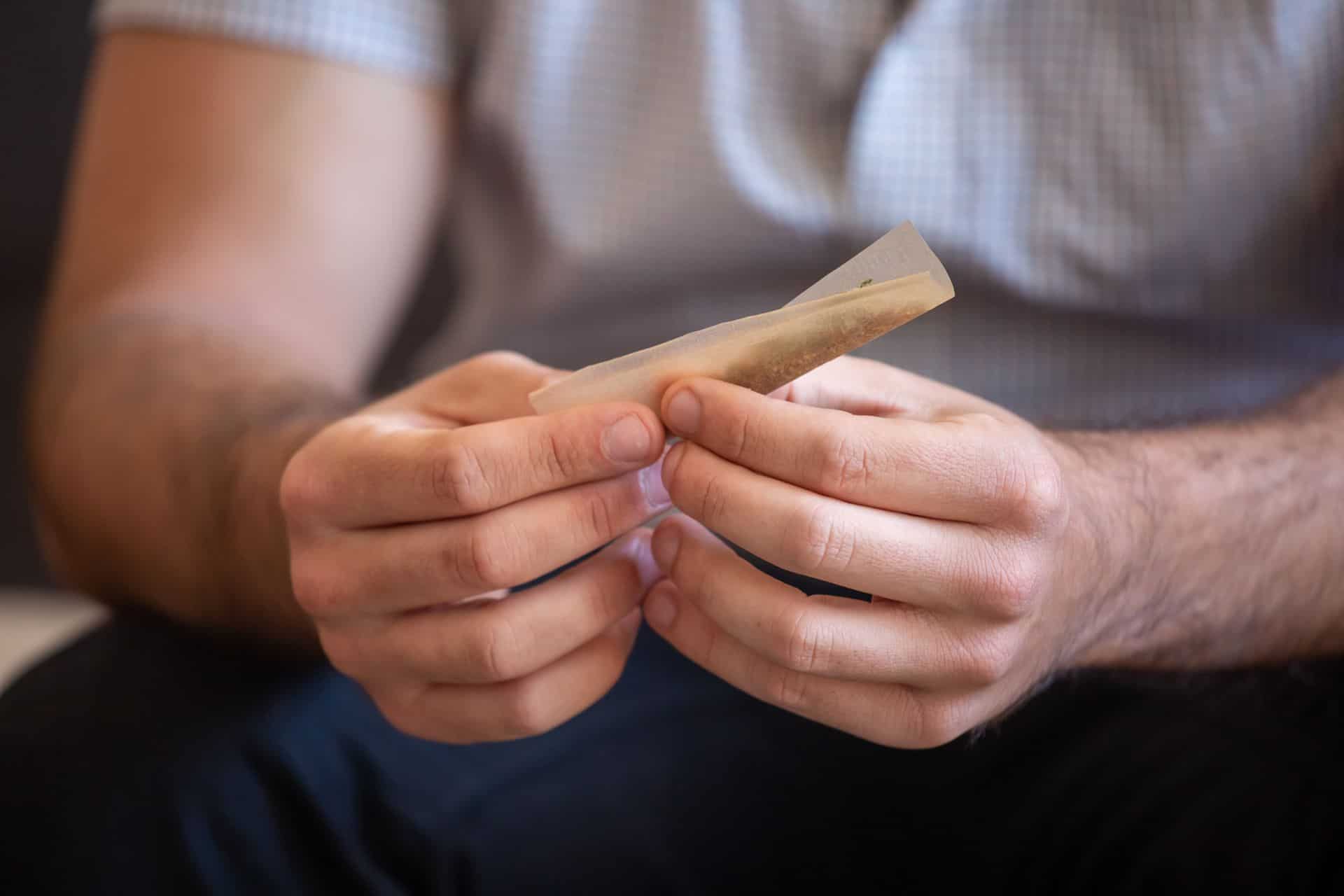

A joint you can figure out on instinct. A blunt punishes bad instincts. It’s thicker, it burns slower, the wrap fights back a little, and the first hit for a lot of first-timers ends in a coughing fit that has nothing to do with how strong the weed was. There’s a technique to this, and it’s not complicated, but nobody actually explains it — you’re just expected to know.
So here’s the actual explanation.
This is the step almost everyone skips and it’s the one that matters most. Once a blunt is rolled and sealed, there’s trapped air inside the wrap. Light it and pull straight away, and that stale trapped air is the first thing that hits your throat, thick and harsh, and it’s usually what causes that first violent cough.
The fix takes five seconds. Hold the blunt near your mouth without inhaling, pull the smoke into your mouth, then let it out without pulling it into your lungs. That’s a burp. Do it once or twice right after you finish rolling, before the first real hit. It clears out the stale air and settles the wrap so the burn is smoother from puff one instead of puff five.
You’ll sometimes get a blunt that eats itself unevenly down one side mid-session — that’s canoeing, and by the time you’re actually smoking, the root cause already happened back at the rolling stage. What you can do mid-smoke is smaller. Wet a finger, run it along the side that’s racing ahead, just enough to slow it without drowning the cherry. And when you relight after a pause, don’t jam the flame into one spot — walk it around the tip in a slow circle so the whole edge catches at roughly the same pace. It won’t fully undo a bad roll, but it buys you a few more even minutes.
Blunts hit differently than joints for a reason that has nothing to do with the cannabis. A joint burns fast and light, so people naturally take quick, shallow-ish pulls. A blunt burns slow and dense, and a lot of people carry that same fast pulling habit over without adjusting, which means bigger lungfuls of thicker smoke than they meant to take.
Slow down. Smaller pulls, more spaced out, work better with a blunt’s burn rate than trying to match joint pacing. This isn’t just about comfort — research comparing cannabis smoke to tobacco smoke has found meaningfully higher carbon monoxide and tar exposure per hit, and taking huge, rushed pulls only increases how much of that you’re pulling in per session.
If you went the traditional route — a hollowed-out cigar rather than a purpose-made wrap — worth knowing what you signed up for. Gutting removes the tobacco filling, but the wrapper itself is still tobacco leaf, and that part doesn’t come out no matter how thoroughly you clean it. One lab analysis of common blunt wraps found measurable nicotine in every wrapper it tested, somewhere between 1.2 and 6 milligrams per wrap. Not cigarette-level, but not zero either, and it’s not something most people think about until well after they’ve already smoked half a dozen.
If that’s news to you and you’d rather not find out mid-session next time, that’s really a decision to make back at the rolling stage — our guide covers the wrap options if nicotine isn’t something you’re looking to add to the mix.
Blunt sessions are usually social in a way joints sometimes aren’t, just because of the size and the pacing. If you’re in a rotation, the unwritten rule is roughly two solid pulls before passing, not five, and definitely not “one more” every time it comes back around. Nobody’s actually counting, but everyone notices when somebody’s holding the blunt longer than they’re smoking it.
If it goes out between passes, that’s normal, especially with a slower burn. Relight it the same way you lit it originally: rotate, don’t torch one spot, and it’ll come back even.
Sometimes a blunt just burns hot and rough no matter what you do, especially toward the end when there’s less material insulating the cherry from your fingers and lips. If your throat’s getting raw, that’s your body telling you to slow down, not push through. Taking a break, drinking some water, and coming back to it in a few minutes changes the experience more than people expect. There’s no prize for finishing it in one sitting.
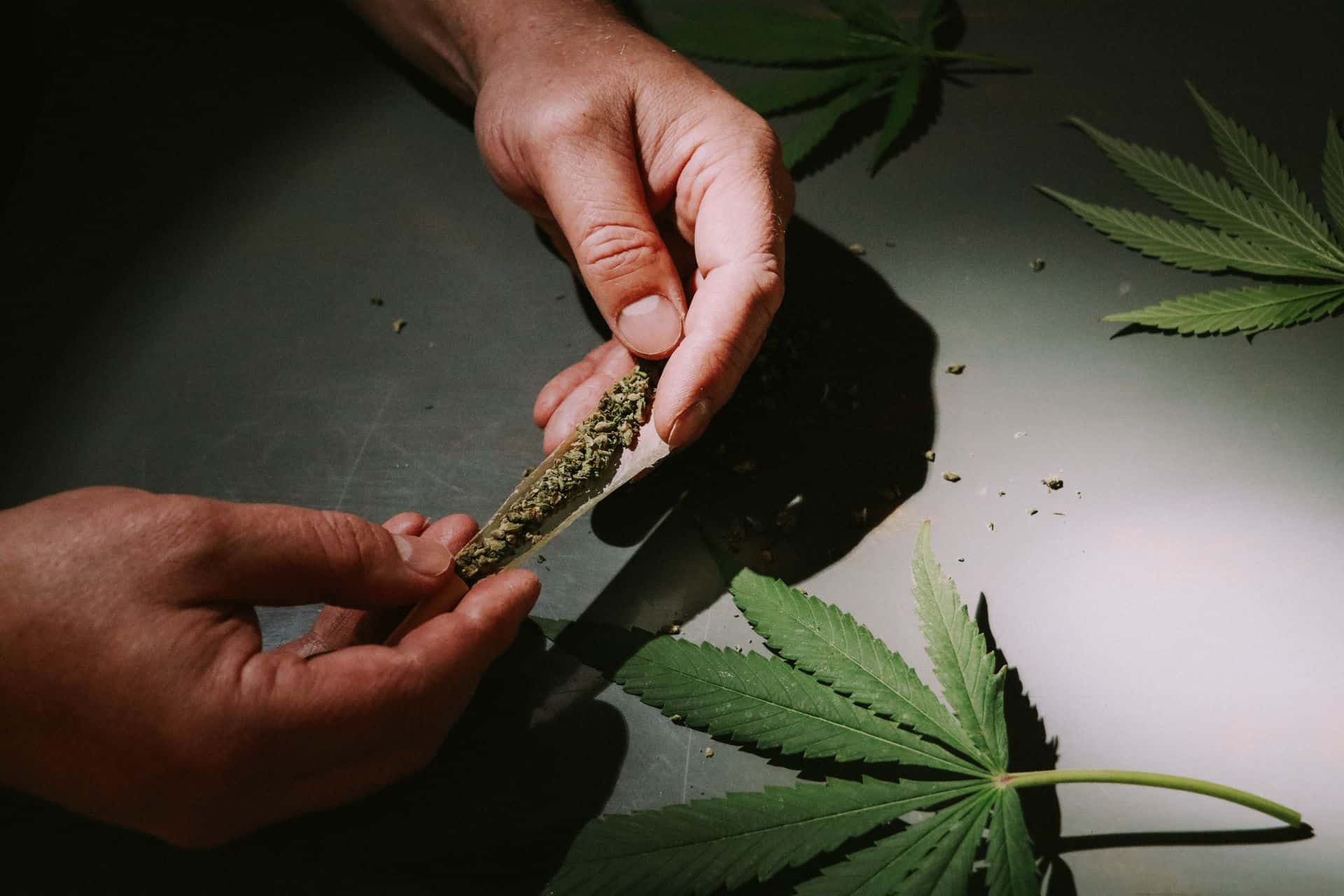
Tobacco leaf wraps can cause a mild tingling or numbness on the lips after a while, especially with cheaper or heavily flavored wraps. It’s not dangerous, it’s just the nicotine and the wrap’s chemical coating doing their thing where your mouth actually touches it. Rotating the blunt slightly between pulls so the same spot isn’t constantly against your lips helps, and it’s one more small argument in favor of a tobacco-free wrap if that sensation bothers you.
Longer than a joint, by a good margin — typically somewhere in the 20 to 30 minute range depending on size and how many people are sharing it, versus 5 to 15 minutes for a joint of similar cannabis content. That’s part of why blunts work well for groups: the slower burn means more people get through more rounds before it’s gone, without anyone needing to roll a second one halfway through the session.
If you don’t finish it in one sitting, don’t just leave it sitting in an ashtray. Snuff it out completely, let it cool, and if you’re planning to relight it within a day or so, wrap it loosely in something that won’t crush it. For anything longer than that, treat it like flower: dry, sealed, out of direct light. If your storage setup isn’t already dialed in for that, our guide on keeping cannabis fresh covers exactly what a jar and a humidity pack actually do and why it matters more than people assume.
Relighting is straightforward. Same rotation technique as the first light, and it’ll usually come back to an even burn within a few seconds.
A lot of “how do I smoke this without coughing” problems actually trace back to how it was packed and rolled in the first place — too tight, too loose, uneven density, wrap that dried out before it got smoked. If rolling technique is where things are going wrong rather than the smoking itself, that’s really a separate skill worth learning properly.
Either way, a good session starts with decent material. Check out the blunts in our shop if you’re working with something dry or low-quality right now — it makes a bigger difference to how smooth the whole experience feels than most people expect going in.

⠀ General Characteristics In this article, we will discuss the black cherry garlic strain, its growth conditions, effects, and flavor. […]
Let me be upfront about something: the first time I heard the name “Mac and Cheese strain,” I laughed. Sounds […]
⠀ General Characteristic This article will consist of two sections: the first being a general description and characterization of the […]

By entering, you confirm that you are at least 21 years old.
By entering this site, you confirm that you are at least 21 years old, that cannabis is legal in your jurisdiction, and that you accept our Privacy Policy and Terms of Service.