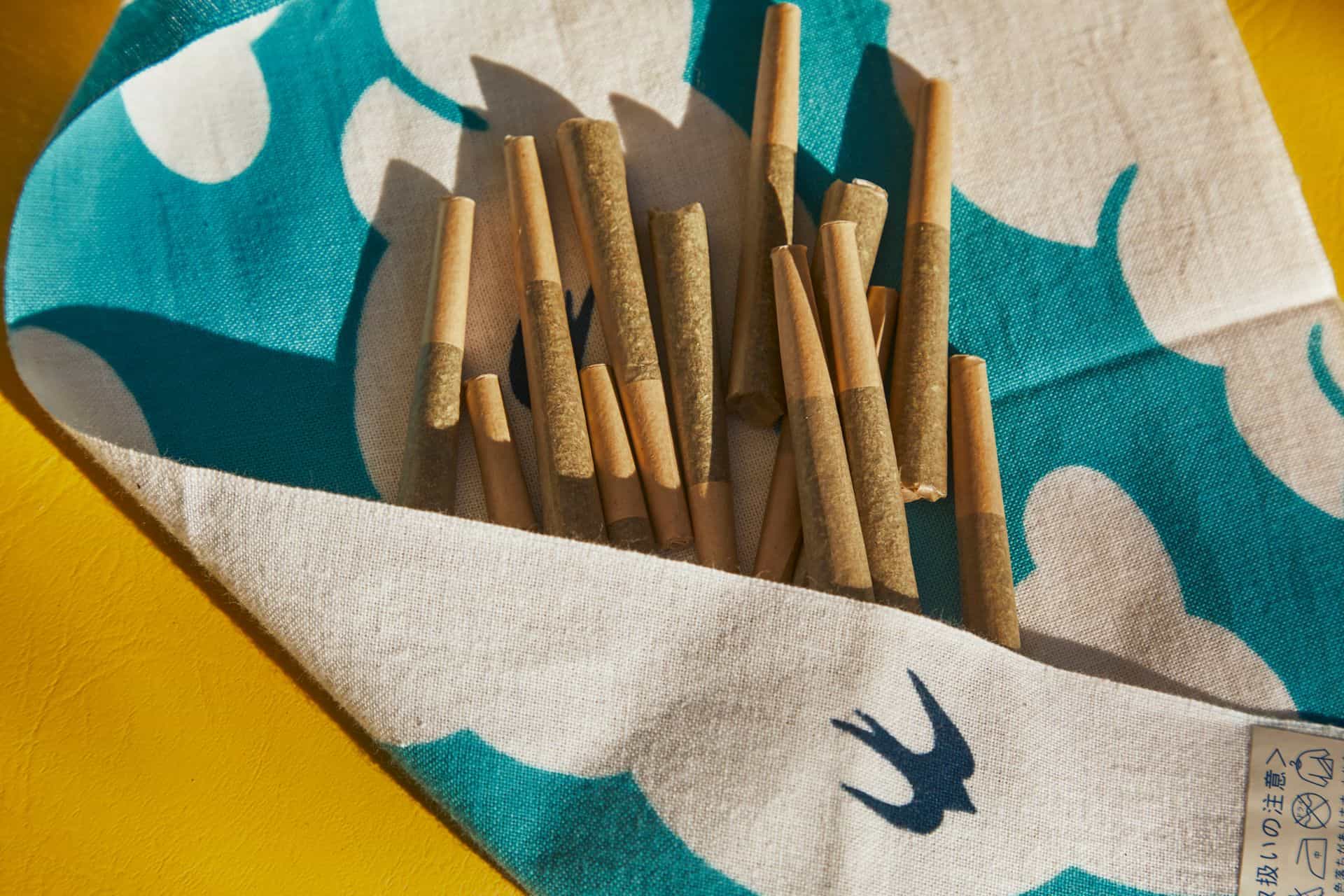

Somewhere out there is a person confidently rolling a blunt one-handed while holding a conversation, and the rest of us are standing in the shadow of that legend, staring at a torn cigar wrap wondering where it all went wrong. Good news: blunt rolling is a skill, not a talent. Nobody was born knowing how to gut a Backwoods without shredding it into confetti. You learn it the same way you learn to parallel park — badly, at first, in front of people who are far too amused by your suffering.
This guide walks through the whole process: what you need, how to actually do it, the mistakes basically everyone makes on attempt one through four, and how to end up with something that burns evenly instead of looking like it lost a fight.
Quick vocabulary check before we start, because these get mixed up constantly:
| Wrap | Contains | Vibe | |
|---|---|---|---|
| Joint | Thin rolling paper (rice, hemp) | Cannabis only | Quick, clean, classic |
| Blunt | Tobacco leaf, cigar, or hemp wrap | Cannabis (sometimes + kief/concentrate) | Slow-burning, bigger, often shared |
| Spliff | Thin rolling paper | Cannabis + loose tobacco | In between, more common outside the U.S. |
A blunt’s whole personality comes from that thicker wrap — slower burn, more smoke, and if it’s a tobacco-based wrap, a nicotine kick that a joint simply doesn’t have. That’s also why blunts hit differently than joints, and why sharing one with a group tends to go the distance.
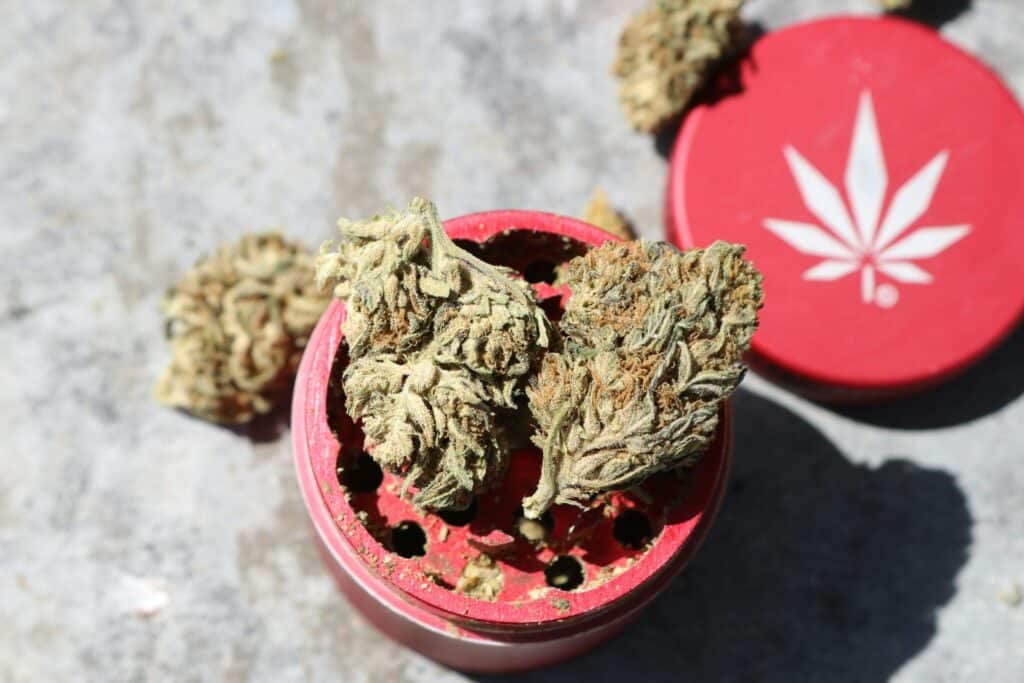
Aim for a medium consistency — think coarse breadcrumbs, not powder and not pebbles. Too fine, and the blunt burns hot and fast, like it’s trying to get the experience over with. Too chunky, and you get uneven airflow, which is the number one cause of “canoeing” (more on that particular tragedy below). Pull out any stems while you’re at it — they’re structurally useless and love to poke through the wrap at the worst possible moment.
If you’re using a pre-made blunt wrap, just unroll it gently and lay it flat. If you’re working with a cigar or cigarillo, carefully split it down the length with scissors or a blade and empty out the tobacco filling — this is affectionately known as “gutting,” and it’s exactly as messy as it sounds. Go slow. The wrap is thin, and impatience here is how you end up starting over.
A bone-dry wrap will crack the second you try to bend it. Lightly dampen it — a quick pass under running water, a damp paper towel, or the classic lick-and-pray method (fine if you’re rolling solo, less fine if you’re sharing). The goal is flexible, not soggy. Over-wetting turns your wrap into a soggy napkin that tears the moment you look at it wrong.
Sprinkle your ground cannabis down the center of the wrap in a straight, even line, leaving a bit of space at both ends. This is not the moment to dump the whole grinder in at once — an even, moderate layer is what actually burns well. Overfilling is a classic beginner move, and it almost always ends in a split seam and cannabis rolling across the table like it’s making a break for it.
Using your thumbs and fingers, gently compress the cannabis into a rough cylinder shape. Starting at one end, tuck the near edge of the wrap under the cannabis and begin rolling it toward the far edge — think of it like rolling a sleeping bag, not like wrestling an alligator. Keep even, gentle pressure the whole way. Too tight, and airflow suffers; too loose, and it burns through in about four minutes flat.
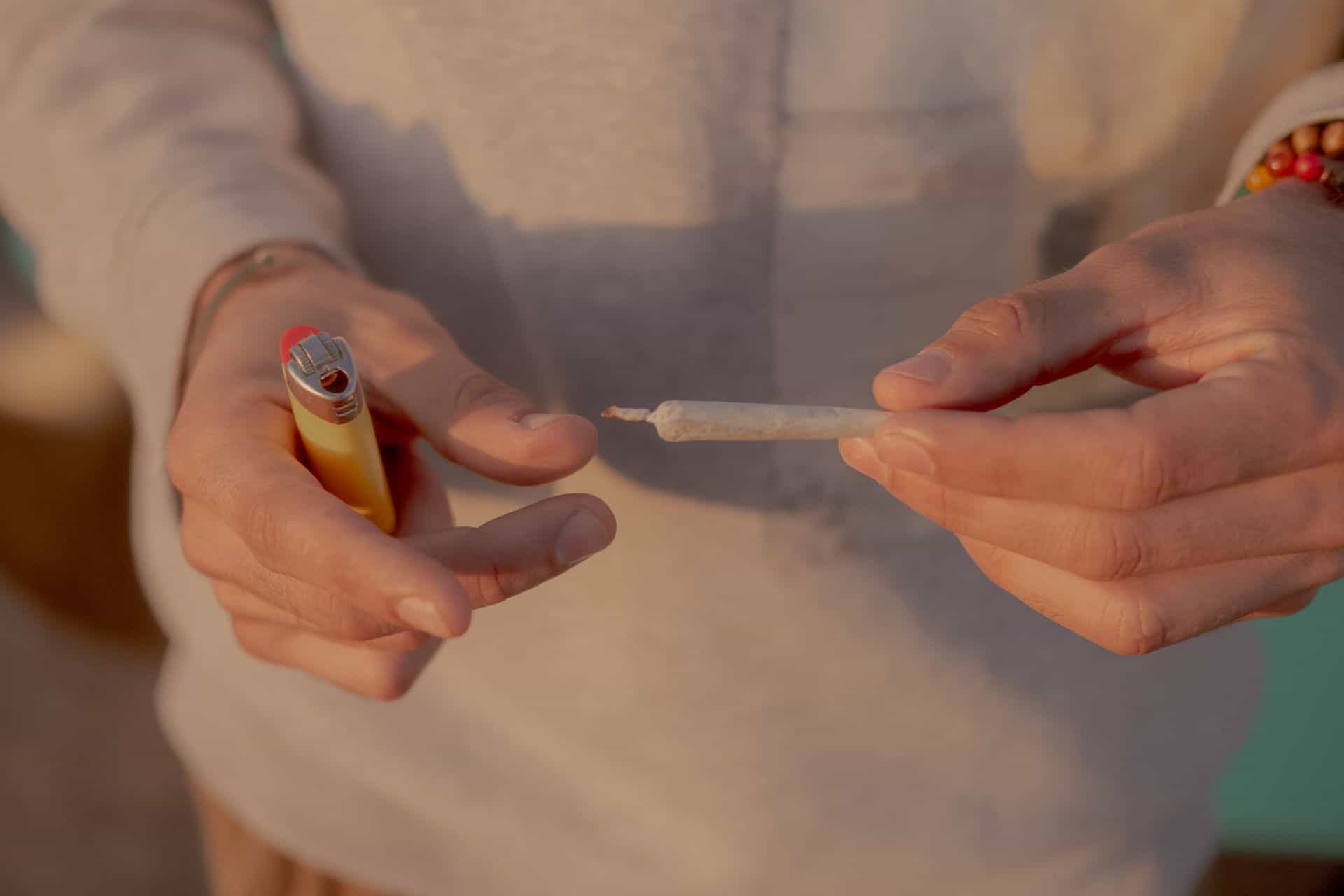
Once you’ve rolled all the way to the top edge, lightly moisten that final edge and press it down to seal. Then — this step gets skipped by beginners constantly and it shows — run a lighter flame gently along the seam for a second or two. This “bakes” the seal, drying out the moisture and locking the wrap shut so it doesn’t unravel the second you pick it up.
A freshly rolled blunt is still a little damp from all that moistening, and smoking it right away means an uneven, hard-to-keep-lit mess. Let it sit for five to ten minutes, or very lightly run a flame around the outside from a few inches away. Patience here pays off in burn quality — rushing this step is like eating a cake straight out of the oven and being surprised it fell apart.
How much cannabis do I need for a blunt?
Roughly 1 gram for a standard, solo-friendly blunt. For a larger group session, 2 to 3 grams in a bigger wrap is common. For a quick, smaller smoke, a half gram works fine — it’ll just burn faster.
Why does my blunt keep canoeing?
Almost always an uneven grind, uneven packing, or a lopsided light. Fix the grind and the fill first, and make sure you rotate the flame evenly when you first light it.
Do I need a grinder?
Not strictly, but you’ll get a much more even burn with one. Hand-breaking flower tends to produce a mix of dust and chunks, and that inconsistency is exactly what causes uneven burning.
What’s the difference between a blunt wrap and a cigar?
A blunt wrap is sold empty and ready to fill. A cigar or cigarillo has to be split open and gutted of its tobacco filling first, leaving just the outer leaf. Wraps are generally easier for beginners; gutting a cigar takes a bit more patience and practice.
Can I add kief or concentrate to a blunt?
Yes — sprinkling kief over the ground flower before rolling, or adding a small amount of concentrate, is a common way to boost potency and flavor. It’s worth trying once you’ve got the basic roll down, since it does burn hotter and hit harder.
Nobody’s first blunt is their best blunt. It’ll probably be lumpy, maybe a little lopsided, possibly held together by sheer optimism and a well-timed lighter flame. That’s fine — that’s the process. Every person who can now roll one-handed at a party started exactly where you are: hunched over a rolling tray, cannabis scattered everywhere, quietly negotiating with a wrap that does not want to cooperate.
Grind evenly, fill evenly, seal it properly, and give it a minute to dry. The rest is just reps. Ready to get started? Browse everything you need on Highvendor store.
Last updated: August 2026. Texas hemp and THC rules have been all over the place this past year, and part […]
⠀ General Characteristic We are now going to examine the cannabis strain, Blood Moon. It has several different versions, which […]
⠀ General Traits Today we have Day Day strain, recently available in our shop. In short, you will love it, […]

By entering, you confirm that you are at least 21 years old.
By entering this site, you confirm that you are at least 21 years old, that cannabis is legal in your jurisdiction, and that you accept our Privacy Policy and Terms of Service.